

The Comeback Queen: How Uma Thurman Transformed Heartbreak Into Hollywood Power
I remember the first time I saw Pulp Fiction, on a grainy VHS tape in my college dorm room. The twist contest scene slayed different — Uma Thurman floating across that dance floor in her black bob and white top, all effortless cool laced with something sharper underneath. It wasn’t merely a dance; it felt like a proclamation. Fast forward 30 years to 2026, when Uma Thurman reissues her action-hero status across a slew of projects, including Pretty Lethal and The Old Guard 2. She’s not chasing trends. She is reimagining what a 55-year-old woman in Hollywood might look like onscreen.
If you have ever felt as if life knocked you down and the world wanted you to be quiet, Uma Thurman’s story is the story you need right now. This is not another glamorous star profile. We’re going to get into the real grit — the unconventional childhood, the iconic roles that redefined female strength, the very public pain and quiet resilience that brings her back stronger every time. By the end, you’ll have practical takeaways on how to transform that same never-ending energy into your own life, because Uma Thurman didn’t merely survive Hollywood. She shaped it.
The Buddhist Foundations That Influenced a Future Icon
Uma Thurman was raised in a world most of us can hardly picture. Born Uma Karuna Thurman on 29 April 1970, in Boston, she was named for a Hindu goddess and grew up in a family committed to Tibetan Buddhism. Her father, Robert Thurman, was the first Westerner to be ordained a Tibetan Buddhist monk. Her mother, Nena von Schlebrügge, was a model in Sweden before becoming a psychotherapist and had been married to Timothy Leary.
Family dinners were not small talk — they were debates. The Thurmans moved between Amherst, Mass., Woodstock, N.Y., and even periods in India. Her nomadic, brainy childhood gave Uma Thurman a rare commodity in Hollywood: perspective. She wasn’t pursuing fame for approval. She came with a deeper sense of impermanence and strength from the beginning.
I’ve always believed this background explains why she never seemed hungry for the spotlight. While most young actresses were sharpening their audition reels, Uma Thurman was soaking up teachings in detachment and courage that would one day carry her through some of the industry’s darkest corners.
Pulp Fiction: The Moment Things Shifted
Quentin Tarantino gave Uma Thurman the part of Mia Wallace in 1994, and their lives were never the same. That Oscar-nominated turn was more than a breakout — it was a cultural reset. The twist contest. The overdose scene. The seamless combination of vulnerability and danger. And suddenly, the tall, striking actress with the unorthodox looks was everywhere.
What made Uma Thurman Mia so magnetic was the dialogue, sure — but also all those moments in between. It was the layers that she contributed. She played a mob wife who could recite philosophy one minute and overdose the next. Audiences could sense the danger lurking beneath the glamour. Directors noticed too. Her Golden Globe nomination and BAFTA nod solidified her status as Tarantino’s muse, but more importantly, compared to all the many other women on this list, proved she could lead a film that mixed violence, wit, and style like no one else.
In retrospect, that role established the template for everything that came after. Uma Thurman didn’t play damsels. She played women who made choices — messy, memorable ones.
Kill Bill: How to Make the Best Female Action Hero (and Suffer for It)
If Pulp Fiction turned Uma Thurman into a star, Kill Bill made her the legend she is today. The concept actually began on the set of Pulp Fiction. Tarantino and Uma Thurman drafted up a revenge story modeled after old kung-fu films. When it came time to shoot, she had just given birth and needed to shed 60 pounds, all while training in three varieties of kung fu, along with sword play and hand-to-hand combat.
The result? Beatrix Kiddo — the Bride — became the template for modern female action heroes. Those yellow tracksuits. The Five-Point Palm Exploding Heart Technique. The sheer fury in her eyes. Kill Bill Vol. 1 and Vol. 2, which grossed hundreds of millions and transformed how studios saw women with swords (or guns or anything pointy).
But the cost was real. During the filming of Vol. 2, Uma Thurman was coerced into doing a dangerous driving stunt herself. The car crashed. She sustained major neck and knee injuries that still impact her today. The production company reportedly withheld footage unless she signed a release. She refused. The fallout soured her relationship with Tarantino for several years. Only after seeing the footage in 2018 did she go public, decrying the pressure and the cover-up.
That honesty matters. Uma Thurman taught us that even when you’re making cinematic history, the industry can still try to break you. Her willingness to speak out evolved into her legacy.
Personal Battles and Public Truths
Uma Thurman’s private life has been a personal battlefield that Hollywood has hardly ever seen. She married Gary Oldman in 1990; that marriage did not last two years. Then I got here to the set of Gattaca with Ethan Hawke. And they had Maya, now an actress, and Levon, who divorced in 2005. Later, daughter Luna joined her household with financier Arpad Busson in 2012. Motherhood was most effective in anchoring her during the tabloid typhoons. The most significant public precipice in the post- #MeToo era occurred when he went public. Uma Thurman described in detail an alleged attempt via Harvey Weinstein to sexually attack her in a London hotel suite several years earlier. The fear, the betrayal, and the messy aftermath, she advised, “The aggregate of feelings I have about Harvey is how awful I feel about all the ladies that were attacked when I became “. She didn’t rush to talk. She waited until she was prepared, and this is a masterclass in boundaries, all with your help. Watching her rise to fame.
The 2020s Comeback: Action Star at Any Age
Now, fast-forward to 2026, and Uma Thurman is reminding us that age is just another plot device she has every right to rewrite. Her next big action turnaround was in The Old Guard 2, as Discord, where she faced off against Charlize Theron in a part that had fans hoping to see two icons collide. Next up was Pretty Lethal, the Vicky Jewson-directed thriller that premiered on Prime Video on 25 May 2026. Uma Thurman plays a ruthless Russian mobster targeting Lana Condor, Maddie Ziegler, and a crew of young talent, and she brings the same lethal precision she delivered in places like “Kill Bill” — but with decades’ worth of lived experience behind every single glare.
She’s also returning as President Ellen Claremont in the sequel to Red, White & Royal Blue and became a series regular on Dexter: Resurrection. These aren’t nostalgia gigs. They’re evidence of Uma Thurman‘s unwillingness to blend in. She trained hard, made choices with substance, and reminded everyone that women over 50 can still be the most dangerous people in any room.
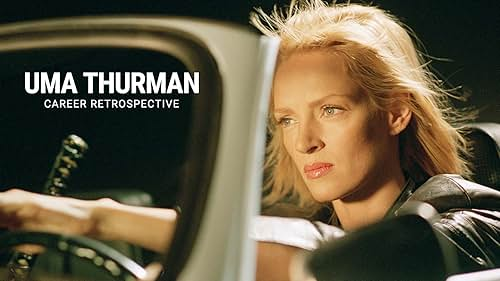
Five Lessons from Uma Thurman’s Playbook That We Can Stow Away
Her story is not simply entertaining — it’s educational. Here’s what I’ve learned over the years:
Own your origin story. In Uma Thurman’s Buddhist upbringing, she learned detachment. Convert your unique background into energy rather than a ground for embarrassment.
Train as if the role requires it. Whether it’s losing post-pregnancy weight for Kill Bill or prepping new action sequences, she proves that preparation trumps talent every time. Set a low bar — focus on one skill for 30 days in a row.
Talk when you’re ready, not on the world’s schedule. Her tempered #MeToo comments were all the more impactful because she waited until the moment felt appropriate. Boundaries are power.
Reinvent without apology. From period dramas to superhero villains to presidential moms, Uma Thurman was never a one-trick pony. Do One New Thing This Month That Scares You
“I said protect your body and protect your peace. The stunt accident taught her (and all of us) that refusing to work in unsafe conditions is not negotiable. Embrace recovery and therapy like she ultimately did.
These aren’t fluffy motivational quotes. They’re battle-tested strategies from someone who’s taken some lumps in public and decided to get back up swinging.
Why Uma Thurman Is More Relevant Than Ever
In an industry that worships youth and flawlessness, Uma Thurman is living proof that true power derives from experience, battle scars, and all. She transformed a troubled childhood into depth, a starring role into a revolution, private pain into activism — and now she’s turning 55 into her most action-packed chapter yet.
Her story teaches us that strength doesn’t mean falling. It’s what you do with the sword once you lift it again. If you’re a fan pining for the old days of Pulp Fiction, or a mom hopping between career and kids, or any human who has ever been underestimated (and that’s all of us) uma thurman traveled beyond her initial path in Hollywood — toward something closer to action-movie star perfection — and along the way affords some rarest hope: That your best chapters might still be before you.
So the next time you get stuck, think of the woman in the yellow tracksuit. Uma Thurman not only survived — she thrived on her own terms. And honestly? We’re all better for it.
You may also read itbigbash.