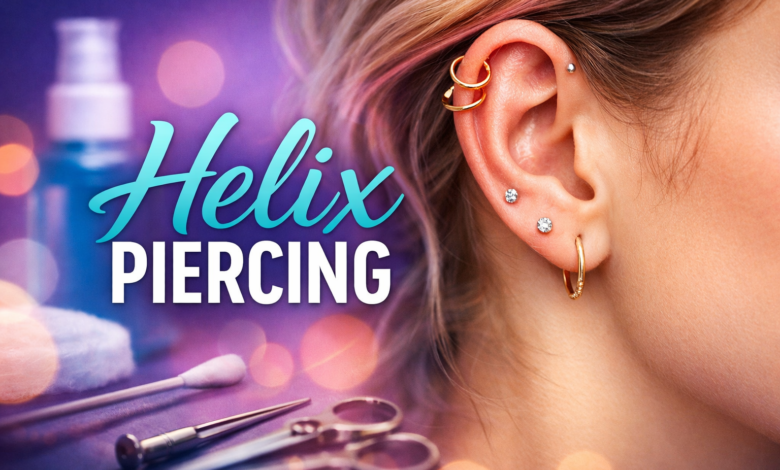
There is usually a moment when someone first sees it — a diminutive piece of jewelry perched gracefully on the upper curve of someone’s ear. Not flashy, not loud, but somehow unmistakably cool. For many people, that one detail is the catalyst for them to start thinking about getting their own helix piercing.
A friend stared at hers in the mirror the day she had it done. “It’s subtle,” she said, “but it makes all the difference.” And she wasn’t wrong. A helix piercing has that rare power to feel both low-key and expressive all at once.
So if you’ve been thinking about getting one — or are just curious about the trend — you’ve come to the right place. In this guide, we’re breaking down what a helix piercing actually is, how painful it usually is, the healing process, jewelry options, aftercare tips, and some insider knowledge that first-timers don’t hear until they’ve already had it done.
What Is a Helix Piercing, Exactly?
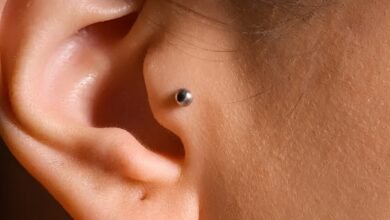
Helix piercings are placed along the upper cartilage of your ear. Unlike regular lobe piercings, which go through soft tissue, this one goes through cartilage — the hard ridge that runs around the outer edge of your ear.
While its location is significant, the helix has considerable leeway in its styling. It can perch anywhere along the upper rim of the ear, allowing people to create bespoke arrangements.
Common variations include standard helix piercing – located on the outer upper cartilage, double or triple helix piercing – multiple piercings vertically stacked, forward helix piercing – situated near the front of the ear, where it attaches to the head, and helix hoop style — a type of jewelry that wraps around the cartilage.
By the 2010s, as minimal jewelry trends caught on, those helix piercing became all the rage. In an instant, ears were not only spaces for one or two pairs of studs but curated destination points.
Helix Piercing: Why It Became A Trend
Fashion trends are constantly changing, but the helix piercing has stood the test of time. So there are a couple of reasons for that.
First, it’s incredibly versatile. A dainty stud looks subtle and businesslike, while a micro-hoop can bring an edge to your appearance. Change the jewelry, and the entire vibe shifts.
Second, it goes hand in hand with ear stacking, the trend of clustering multiple piercings to give an edited look. Stylists and piercers frequently plan full ear arrangements with helix piercing as bases.
But there is also a more personal reason. For many people, cartilage piercings embody a small but significant form of self-expression. It’s prominent enough to convey personality, but discreet enough not to seem gaudy in most spaces.
Does a Helix Piercing Hurt?
That’s typically the first question people ask, and to be honest, the answer is varied.
Cartilage is less pliable than the soft tissue found in the earlobe, which makes for a sharper sensation when the needle pierces through for a helix piercing. Most people describe the feeling as a quick pinch followed by pressure.
On a typical pain scale, clients report this to be about 4–6 out of 10.
The good news? The actual piercing happened in seconds. One expert piercer uses a sterile hollow needle that is much safer and less traumatizing than piercing guns.
What surprises people is not the pain itself — it’s the tenderness that follows. Cartilage may be sensitive for a couple of days, particularly if you bang it with something or sleep on that side.
Healing Time: Patience Is Key
One of the most widespread misconceptions about cartilage piercings is that they heal quickly. In actuality, a helix piercing takes time and patience.
Average healing time is 3 to 6 months for simple healing and 6 to 9 months until complete internal healing.
Cartilage has less blood flow than soft tissue, which prolongs recovery. You’re basically building a stable tunnel of healed tissue around the jewelry during this time.
Signs your piercing is healing properly include some slight reddening in the first few days, slight swelling, and occasional clear or pale discharge.
What you don’t want to see is extreme swelling, excruciating pain, or yellow-green discharge — all signs of possible infection.
The Best New Helix Piercing Jewelry
Your first piece of jewelry is more important than most people remember.
Professional piercers usually recommend studs for the first helix piercing because they move less and cause less irritation during initial healing.
Safe starter materials include implant-grade titanium, surgical steel, solid gold (14k or higher), and niobium.
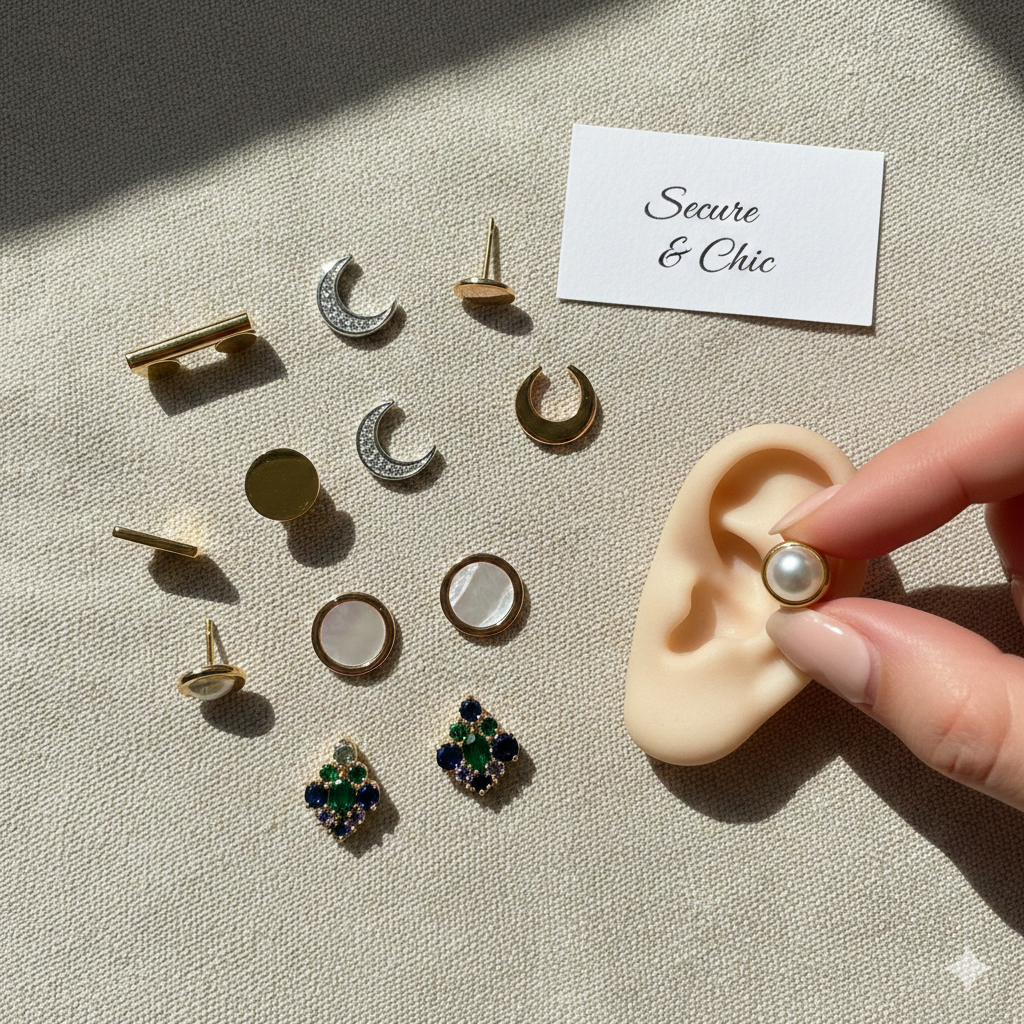
After the piercing is healed, you can wear different styles, such as small hoops, captive bead rings, decorative studs, and clicker rings.
Most people end up playing with thin gold hoops which have become practically synonymous with the staple helix piercing look.
Aftercare: The Key Difference Between Healing Seamlessly And Being Constantly Annoyed
If there’s one thing every experienced piercer wants to drive home, it’s the importance of aftercare. Helix piercing don’t need complicated treatment — but they do need consistency.
Here’s what works best.
Clean It Twice a Day
We recommend either a sterile saline solution or a piercing aftercare spray.
Steps include washing your hands first, spraying saline onto the piercing, and letting it air dry.
Do not twist or rotate the jewelry. That can actually make healing take longer, contrary to old advice.
Avoid Sleeping on It
One of the most common causes of irritation bumps is pressure. If you’re a side sleeper, consider using a travel pillow so your ear lies in the center hole.
Keep Hair and Products Away
Hair products, shampoo residue, and conditioner irritate healing cartilage. Carefully rinse the area off in the shower.
Don’t Change Jewelry Too Early
Changing jewelry before the piercing is completely healed is one of the most common mistakes. Wait for your piercer to tell you it’s ready.
Common Problems And Tips to Sidestep Them
Even a nicely executed helix piercing can have minor healing hiccups. Fortunately, most are preventable.
Irritation Bumps
Such small raised bumps are usually caused by sleeping on the piercing, excessive touching, or jewelry that’s too tight.
That’s often resolved quite easily when pressure is lifted, and unreduced saline maintenance continues.
Snagging on Hair or Clothing
Cartilage jewelry can snag on towels or headphones or entangle long hair. This can slow down healing and make things sore.
Many experienced piercers recommend using smooth, low-profile screws while neutering and careful brushing of hair or pulling shirts over your head.
Infection
When done professionally, actual infections are relatively uncommon. Yet they can occur if hygiene is ignored.
Recognize when to seek professional advice if there is severe swelling, persistent throbbing pain, or thick yellow or green discharge.
Styling Ideas for Helix Piercing
After your helix piercing heals, though, the styling options are endless.
These toppings most commonly include minimalist look with tiny gold stud, thin gold hoop, and single delicate gemstone.
Stacked helix with doubled pierce with 2-3 small studs through the cartilage and mixed metals for contrast.
Curated ear with helix hoop, conch piercing, and multiple lobe studs.
This curated ear-wear style is a massive trend. Some studios even provide consultations to create a customized ear mold.
Should You Get a Helix Piercing?
A helix piercing does suit quite a variety of people. It’s subtle enough to work in professional settings but stylish enough to stand out.
You might enjoy it if you like minimalist jewelry, looking for a piercing that you can see but not too much, or plan a multi-piercing ear design.
However, patience is important. Cartilage piercings require more maintenance and take longer to heal than lobe piercings.
If you’re the kind of person who likes to fidget with jewelry or take the healing process up a notch, it might be worth finding out whether you’re ready for that commitment.
Final Thoughts
The helix piercing has cemented its status as one of the most timeless ear-piercing myriad—and for good reason. It hits just the right tone of subtle sophistication and idiosyncratic expression. A singular petite stud can surreptitiously raise your style game and pay homage to nostalgia with that multiple-helix piercing aesthetic.
Like any body alteration, success is all about preparation and patience. Seek a high-quality piercer, follow aftercare instructions closely, and give your ear the time it needs to heal properly.
Do so, and your helix piercing won’t merely be the latest trend — it will transform into one of those little details that seem to belong entirely to you.
You may also read itbigbash.