

Introduction
Who was Camille Monfort — a real 19th-century opera singer, or one of the internet’s most successful gothic myths?
Over the last few years, the mysterious story of the so-called “Amazonian Vampire” has exploded across TikTok, Pinterest, Reddit, and dark academia communities. AI-generated portraits of a pale French singer wandering through the streets of 1890s Brazil have convinced thousands that Camille Monfort was a forgotten historical figure erased from mainstream history.
But the truth is far more interesting.
The Camille Monfort legend sits at the intersection of folklore, internet culture, vampire fiction, Brazilian history, and AI-driven storytelling. It combines real locations and historical events with fictional narrative elements so convincingly that many people struggle to separate fact from myth.
In this guide, we’ll explore who Camille Monfort supposedly was, why the legend became viral, whether she actually existed, and what her story reveals about modern digital folklore.
What Is Camille Monfort?
Camille Monfort — often called the “Amazonian Vampire” or Vampira da Amazônia — is a legendary figure associated with gothic folklore set during Brazil’s Amazon rubber boom in the late 19th century.
According to the popular narrative, she was:
- A beautiful French opera singer
- Born in 1869
- Living in Belém, Pará, Brazil
- Famous for her hypnotic voice and mysterious beauty
- Rumored to be a vampire or occult medium
- Dead from cholera in 1896
The story describes her as an independent and scandalous woman who captivated wealthy elites during the height of the Amazon rubber trade.
However, despite the detailed mythology surrounding her, there is no verified historical evidence proving Camille Monfort existed as described.
Most researchers trace the modern legend to Brazilian author Bosco Chansen’s literary work Após a Chuva da Tarde: A Lenda de Camille Monfort, which appears to have either created or heavily popularized the narrative.
From a media-literacy perspective, Camille Monfort is best understood as a modern fictional legend presented through historical aesthetics.
Why the Camille Monfort Story Matters
At first glance, the legend may seem like just another internet ghost story. But its popularity reveals much larger cultural trends.
1. The Rise of AI-Generated History
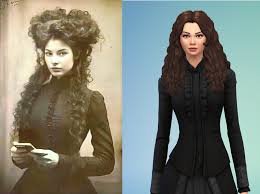
Many circulating “photos” of Camille Monfort are AI-generated images designed to resemble Victorian-era portraits.
Platforms like OpenAI, Midjourney, and Stable Diffusion have made it easier than ever to create convincing historical-style imagery.
As a result, fictional characters can now appear historically authentic to casual viewers.
2. The Gothic Revival of the 2020s
The resurgence of dark academia, vampire aesthetics, Victorian fashion, and gothic storytelling helped fuel interest in Monfort’s story.
Searches and hashtags related to:
- #AmazonianVampire
- #CamilleMonfort
- #DarkAcademia
- #VictorianGothic
grew significantly across TikTok and Pinterest between 2024 and 2026.
3. Blending Fact and Fiction Online
The Camille Monfort phenomenon demonstrates how social media algorithms reward emotionally compelling stories — especially ones that combine:
- beauty,
- mystery,
- tragedy,
- forbidden desire,
- and “hidden history.”
In practical terms, the legend spread because it felt believable.
The Historical Setting: Brazil’s Amazon Rubber Boom
To understand why the story works so well, you need to understand the historical backdrop.
Belém During the Rubber Boom
In the late 1800s, the Amazon region experienced massive economic growth due to rubber exports.
Cities like Belém became incredibly wealthy. European architecture, opera houses, luxury goods, and imported entertainers transformed the region into a glamorous cultural center.
One real landmark frequently associated with Camille Monfort is the Theatro da Paz, a historic opera house that hosted elite performances during the rubber boom era.
The legend also references Cemitério da Soledade, a real cemetery that adds authenticity to the narrative.
Historically, this period also included:
- cholera outbreaks,
- yellow fever epidemics,
- spiritualism movements,
- and growing fascination with occult practices.
These real historical conditions created the perfect environment for gothic storytelling.
The Legend of Camille Monfort Explained
The Classic Narrative
According to the most common version of the story:
- Camille was born in France in 1869
- Her father supposedly worked as a diplomat in Brazil
- She studied music at the Paris Conservatory
- She spoke multiple languages
- She became an opera sensation in Belém
Descriptions portray her as:
- pale,
- elegant,
- rebellious,
- and dangerously seductive.
Stories claim she:
- walked alone beside the Guajará River at night,
- wore black gowns,
- bathed in champagne,
- mesmerized audiences with her singing,
- and attracted powerful lovers.
Rumors eventually spread that she was:
- a vampire,
- a witch,
- or a spiritual medium.
Some versions even claim she could hypnotize listeners through music.
Her Alleged Death
The story says Camille Monfort died during a cholera outbreak in 1896 at around 27 years old.
Yet, like many vampire legends, the tale refuses to end there.
Alternative versions claim:
- her tomb is empty,
- she faked her death,
- or she returned to Europe immortal.
This ambiguity is one reason the myth remains compelling.
Is Camille Monfort Real?
The Short Answer
No verified evidence confirms Camille Monfort as a real historical person.
Researchers have not found:
- birth certificates,
- opera records,
- diplomatic archives,
- newspaper articles,
- or burial documentation matching the story.
While the locations tied to her legend are real, the character herself appears fictional or heavily dramatized.
Why People Believe the Story
Several factors make the legend seem authentic:
Real Historical Locations
The story uses genuine places from Brazilian history.
Victorian Aesthetic
The gothic atmosphere resembles classic vampire literature like:
- Carmilla
- Dracula
AI-Generated Portraits
Many users encounter fabricated “historical photographs” online without realizing they were digitally created.
Viral Storytelling
Short-form videos simplify the narrative into emotionally engaging content optimized for shares and engagement.
Camille Monfort and Modern Internet Folklore
From an academic perspective, Camille Monfort represents a new type of folklore: digitally accelerated myth-making.
A Modern Creepypasta With Historical Style
Like Slender Man or the Backrooms, the Monfort story evolved through collective internet participation.
Users continuously add:
- artwork,
- fake documents,
- podcasts,
- theories,
- and fan fiction.
This process is known in folklore studies as “digital folklorism.”
The “Monstrous Feminine”
Many scholars would interpret Monfort through a gender-analysis lens.
Her character reflects historical fears around:
- independent women,
- female sexuality,
- artistic freedom,
- and social rebellion.
In many gothic stories, autonomous women become “dangerous” or supernatural.
Camille Monfort follows that tradition closely.
The Role of Social Media in Her Viral Rise
TikTok and Visual Storytelling
TikTok played a massive role in popularizing the legend.
Creators combined:
- AI portraits,
- cinematic music,
- vintage filters,
- and dramatic narration.
This transformed Camille Monfort into a perfect “aesthetic mystery.”
Pinterest and Dark Academia
Pinterest boards amplified her popularity through:
- gothic fashion inspiration,
- Victorian vampire imagery,
- cemetery photography,
- and opera-themed mood boards.
Reddit and Debate Culture
Communities on Reddit and Quora began investigating whether the story was real, which ironically increased public curiosity even more.
From an SEO perspective, controversy and uncertainty significantly boost engagement metrics.
Pros and Cons of the Camille Monfort Legend
Pros
Encourages Interest in Brazilian History
Many people discover the Amazon rubber boom through this story.
Inspires Creative Art
The legend has influenced:
- fan fiction,
- music,
- digital art,
- cosplay,
- and short films.
Demonstrates Modern Myth-Making
It’s a fascinating case study in internet culture and AI-generated storytelling.
Cons
Spreads Historical Misinformation
Many posts present Camille Monfort as unquestionably real.
Overshadows Real Historical Women
Fictional narratives sometimes receive more attention than actual female opera performers and artists from the era.
AI Images Blur Reality
Fabricated portraits can mislead audiences unfamiliar with AI-generated media.
Common Misunderstandings About Camille Monfort
“There Are Real Photos of Her”
False. No verified historical photographs exist.
Most circulating images are AI-generated or digitally edited artworks.
“Her Tomb Has Been Found”
The cemetery associated with the story is real, but the specific tomb claims remain unverified.
“She Was a Real Vampire”
The vampire aspect belongs entirely to folklore and fiction.
“Historians Are Hiding Her Story”
There is no evidence of suppression or conspiracy.
The lack of archival documentation strongly suggests a fictional origin.
Key Insights and Expert Notes
The Legend Works Because It Feels Historically Plausible
The strongest myths often combine:
- real places,
- believable social conditions,
- and emotional storytelling.
Camille Monfort succeeds because the setting is authentic even if the character likely is not.
AI Has Changed Folklore Forever
Before AI art tools, creating convincing “historical evidence” required significant skill.
Now anyone can generate realistic Victorian portraits in seconds.
This changes how modern myths spread online.
Digital Legends Are Becoming Cultural Artifacts
Even fictional stories can gain genuine cultural significance once communities collectively adopt them.
Whether Camille Monfort existed historically matters less to fans than the emotional atmosphere of the legend itself.
FAQ About Camille Monfort
Who was Camille Monfort?
Camille Monfort is a legendary figure portrayed as a French opera singer linked to vampire folklore in 1890s Brazil.
Is Camille Monfort a real person?
There is no verified historical evidence confirming her existence.
Why is she called the Amazonian Vampire?
Legends describe her pale appearance, mysterious behavior, and rumors of blood-drinking or supernatural influence.
Where is Camille Monfort buried?
Stories claim she was buried in Cemitério da Soledade in Belém, Brazil, though this remains unverified.
Are the photos of Camille Monfort real?
No. Most online images are AI-generated or artistic recreations.
What book popularized the story?
The legend is closely tied to Após a Chuva da Tarde: A Lenda de Camille Monfort by Bosco Chansen.
Why did the story become viral?
Its mix of gothic aesthetics, mystery, AI imagery, and historical atmosphere made it highly shareable on TikTok and Pinterest.
Is Camille Monfort connected to real Brazilian folklore?
Indirectly. The story blends vampire fiction with real historical settings and Brazilian cultural influences.
Conclusion
The Camille Monfort legend is one of the clearest examples of how internet culture can transform fiction into perceived history.
By combining:
- real Brazilian locations,
- gothic vampire themes,
- Victorian aesthetics,
- and AI-generated imagery,
the “Amazonian Vampire” became a viral phenomenon that captivated millions online.
Historically, the evidence points toward Camille Monfort being a literary or folkloric creation rather than a documented historical figure. Yet culturally, her impact is very real.
Her story reflects modern society’s fascination with beauty, mystery, immortality, and forgotten histories — while also reminding us how easily digital storytelling can blur the line between fact and fiction.
For readers interested in folklore, media literacy, gothic literature, or Brazilian history, Camille Monfort remains a fascinating modern myth worth exploring.
You may also read itbigbash.