Fungal Acne: What It Is, Why You Get It, and How to Treat It
If you’ve been dealing with breakouts that refuse to budge — tiny, itchy bumps across your forehead, chest, or back that shrug off every acne product you throw at them — fungal acne might be what’s really going on. And here’s the twist that surprises most people: it isn’t acne at all. It’s a yeast overgrowth inside your hair follicles, which is exactly why standard acne treatments do nothing for it.
The good news is that once you know what you’re actually dealing with, fungal acne responds well to the right approach. This guide walks you through how to spot it, what causes it, and the treatments that genuinely work — plus the everyday habits that keep it from coming back.
What Fungal Acne Actually Is
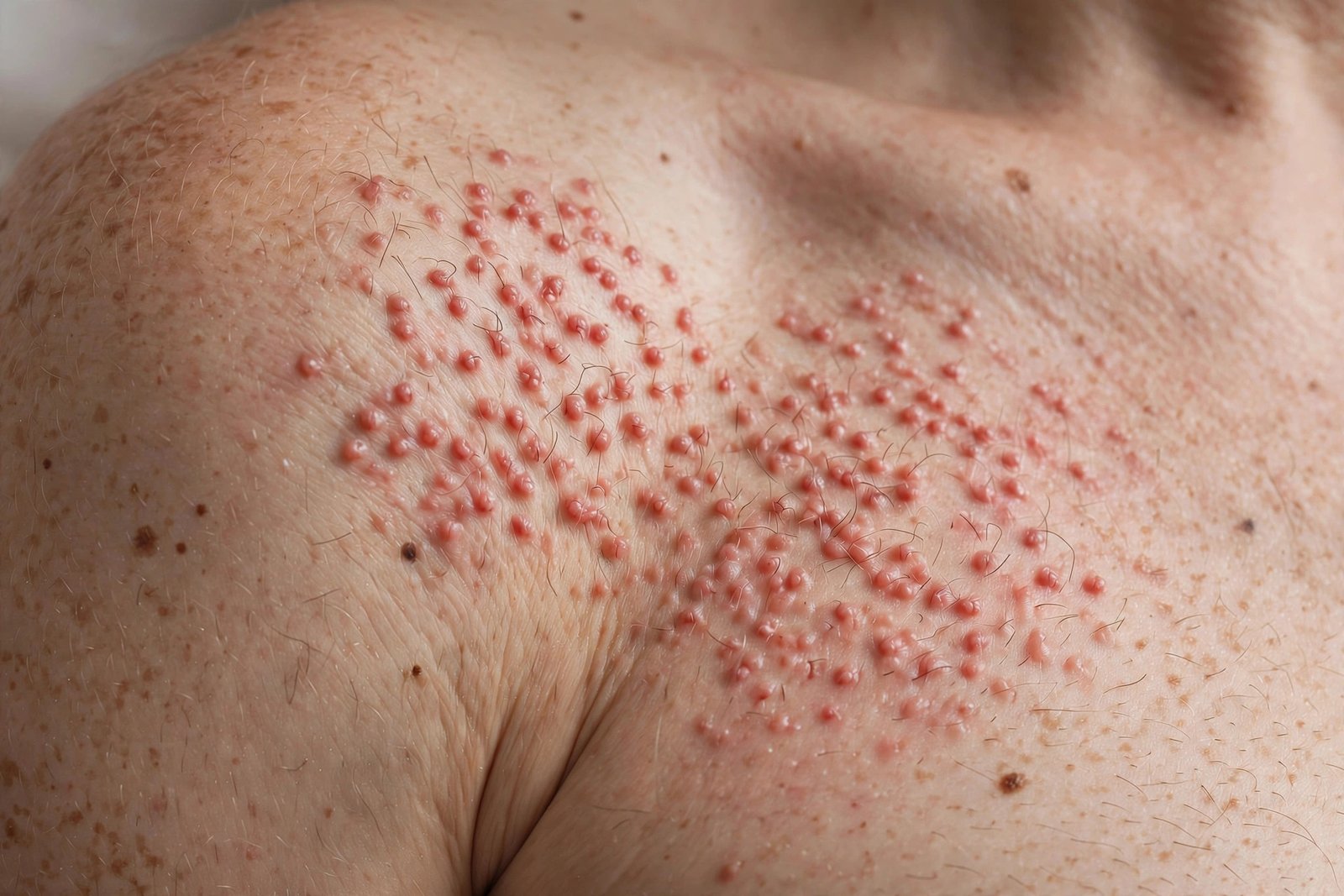
The medical name for fungal acne is Malassezia folliculitis (it used to be called pityrosporum folliculitis). It’s caused by Malassezia, a yeast that lives on everyone’s skin as part of the normal skin microbiome. When conditions are right, this yeast gets down into hair follicles and multiplies, triggering an itchy, acne-like eruption.
A few things worth knowing upfront: fungal acne is not contagious, and it’s not a sign of poor hygiene. It shows up most often where sweat and heat collect around hair follicles — the forehead and hairline, the upper chest, the upper back, and the shoulders. And while it’s more common in teens and young adults (males especially), it can affect anyone.
How to Tell Fungal Acne Apart From Regular Acne
Because it looks so much like ordinary breakouts, most people spend months treating the wrong condition. These are the clues that point to yeast instead of bacteria:
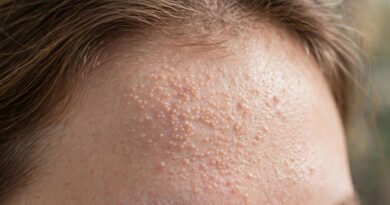
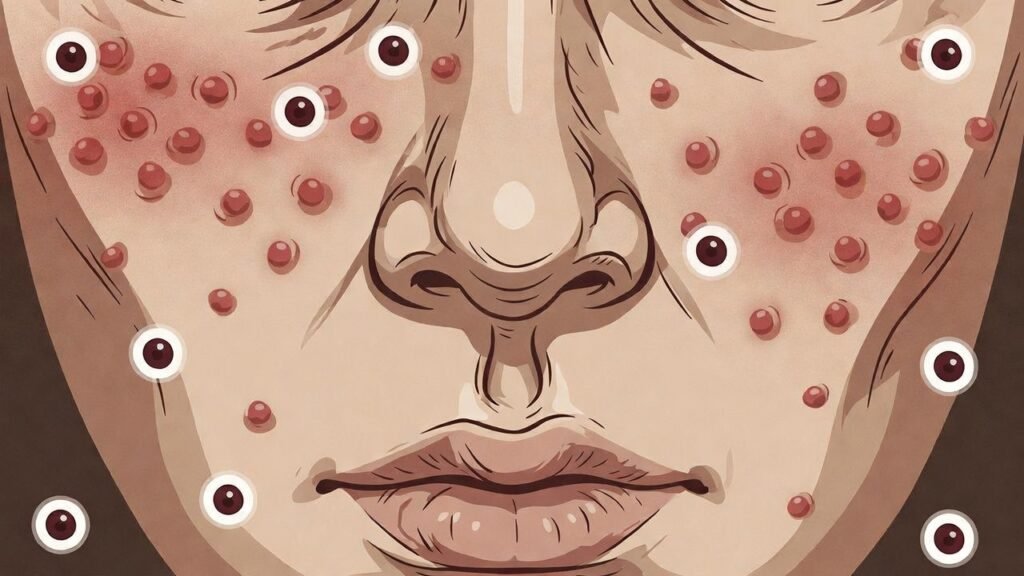
- The bumps all look the same. Fungal acne shows up as uniform, pinhead-sized bumps in clusters or even rows. Regular acne is a mixed bag — blackheads, whiteheads, papules, and cysts of different sizes.
- It itches. This is the single most useful clue. Bacterial acne tends to feel tender or painful; fungal acne is noticeably itchy.
- It’s in sweaty places. Forehead, hairline, chest, and back are classic spots. If your breakouts follow your sweat patterns, yeast is a strong suspect.
- Nothing works. Months of benzoyl peroxide or salicylic acid with zero improvement — or breakouts that actually get worse — is a red flag that you’re treating the wrong thing.
If your breakouts are concentrated on your face, it helps to look at the facial signs specifically — here’s a closer guide to fungal acne on the face and how it differs from the body version.
What Causes Fungal Acne
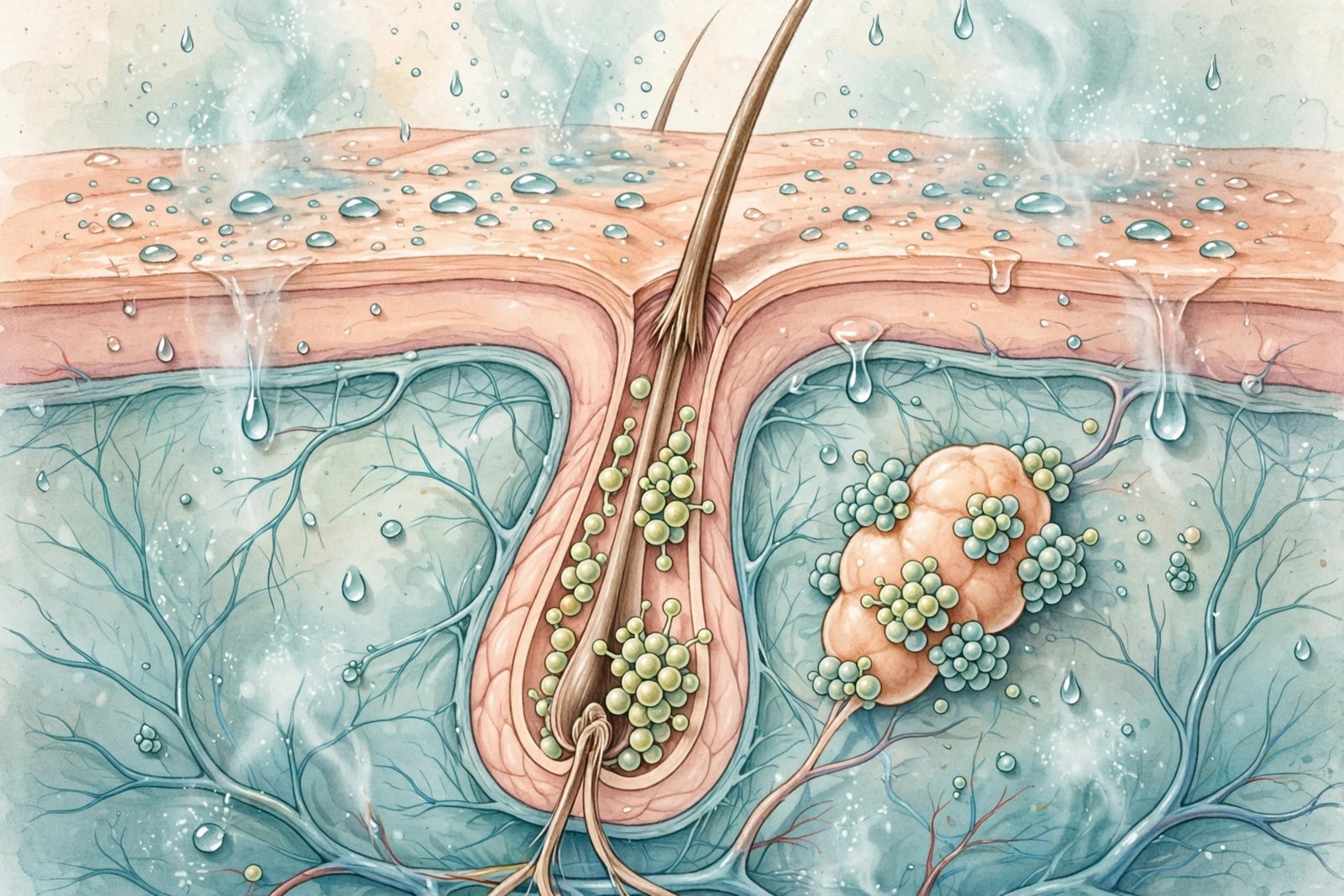
The yeast itself is always present on your skin — flare-ups happen when something tips the balance in its favor. The common triggers:
- Heat, humidity, and sweat. Yeast thrives in warm, moist environments, which is why flare-ups peak in summer and after workouts.
- Tight, synthetic clothing that traps sweat against the skin for hours.
- Heavy, oily skincare products and occlusive moisturizers that feed the yeast and seal it in.
- Antibiotics, which can wipe out competing bacteria and let Malassezia take over.
- Steroids, a weakened immune system, and diabetes, all of which raise the risk.
One myth worth clearing up: you’ll see claims online that cutting sugar from your diet cures fungal acne. There’s no solid evidence behind that. Diet experiments are no substitute for addressing the real, proven triggers — and for getting actual treatment.
How a Dermatologist Diagnoses It
A dermatologist can often recognize fungal acne from its appearance and your history of failed acne treatments. To confirm, they may examine a small skin scraping under a microscope or shine a Wood’s lamp on the skin — the affected areas can glow yellow-green under it. If you’ve been self-treating for months with no results, getting a professional diagnosis saves a lot of wasted time and money. The Cleveland Clinic’s guide to Malassezia folliculitis covers the diagnostic steps in more detail.
How to Treat Fungal Acne
Treatment targets the yeast, not bacteria — which is why your regular acne shelf is useless here. What actually works:
- Antifungal shampoos as a body wash. Shampoos with ketoconazole, selenium sulfide, or zinc pyrithione (the same ingredients in dandruff shampoos) are the first-line home approach. Lather onto the affected areas, leave it on for a few minutes, then rinse — a few times a week. On the face, use them gently and keep them away from your eyes.
- Topical antifungal creams such as clotrimazole or ketoconazole for smaller affected areas.
- Oral antifungals like fluconazole or itraconazole for widespread or stubborn cases — these are prescription-only, so you’ll need a dermatologist.
Equally important is what not to use: benzoyl peroxide, salicylic acid, and retinoids aimed at bacterial acne won’t clear a yeast infection. Give treatment a few consistent weeks — mild cases improve steadily, and stubborn ones are a sign to see a doctor rather than to double the dose yourself.
Habits That Keep It From Coming Back
Here’s the part most guides underplay: fungal acne comes back easily, even after successful treatment. Keeping the yeast in check is a long-term game:
- Shower and change promptly after workouts or heavy sweating — don’t sit in damp clothes.
- Wear loose, breathable clothing, especially in hot or humid weather.
- Switch to fungal-acne-safe products — lightweight, non-comedogenic, and low in the heavy oils yeast feeds on. Many people swap rich oils for squalane, which the yeast can’t easily use.
- Keep your shower tools clean. Damp loofahs and sponges can harbor microbes, so learn how to clean a loofah and keep it fresh instead of scrubbing yeast back onto your skin.
- Do a weekly maintenance wash with an antifungal shampoo on your prone areas — dermatologists often recommend this to prevent recurrence.
Common Mistakes That Make It Worse
- Scrubbing or over-exfoliating. Aggressive exfoliation irritates inflamed follicles but doesn’t kill yeast — it just leaves your skin raw.
- Layering strong acne actives that strip your skin barrier while the real problem goes untouched.
- Occlusive “slugging” with coconut oil or heavy balms over affected areas — you’re sealing the yeast in with its favorite food.
- Treating only the face while ignoring the chest and back, where the same yeast is happily thriving.
Dealing with breakouts specifically on your face? Read our detailed guide: Fungal Acne on Face: How to Spot It, Treat It, and Keep It from Coming Back.
Quick Answers to Common Questions
Is fungal acne contagious?
No. The yeast lives on everyone’s skin already — you can’t catch someone else’s folliculitis, and you can’t give it to anyone.
Can it go away on its own?
Mild cases sometimes settle, but most need antifungal treatment, and recurrence is common without maintenance habits. If it’s spreading or keeps returning, see a dermatologist.
When should I see a doctor instead of treating it myself?
If over-the-counter antifungal washes haven’t helped after a few weeks, if the bumps are spreading, or if you’re unsure it’s fungal acne at all — a dermatologist can confirm with a quick test and prescribe oral antifungals when needed. WebMD’s overview of pityrosporum folliculitis is a solid second opinion on symptoms and treatment options.
The Bottom Line
Fungal acne is frustrating mainly because it disguises itself as ordinary breakouts — but the moment you recognize the pattern (uniform, itchy bumps that ignore acne products), the path forward is clear: antifungal treatment, lighter skincare, and sweat-smart habits. Get those right, and most people see real, lasting improvement.
Note: this article is for information only and isn’t medical advice. If you’re dealing with persistent or spreading breakouts, talk to a dermatologist for a proper diagnosis.