How Many Ounces in a Pound? Your Essential Conversion Guide
If you’ve ever stopped mid-recipe and asked yourself how many ounces in a pound, here’s the answer right away: one pound equals 16 ounces. It’s one of those numbers that quietly runs your daily life — printed on grocery labels, quoted by shipping calculators, and tracked in workout plans — so it’s worth knowing by heart.
This guide goes one step further than the number. You’ll find quick conversion formulas, a ready-reference chart, the dry-versus-fluid-ounce trap that trips up even experienced cooks, and the real-world moments where this math genuinely matters.
The Straight Answer: 16 Ounces in One Pound
For everyday use in the US — and anywhere the imperial or US customary system is used — the rule is simple:
1 pound (lb) = 16 ounces (oz)
This comes from the avoirdupois weight system, the international standard behind the pound, which defines the pound as exactly 453.59237 grams. Two formulas cover every conversion you’ll ever need:
- Pounds to ounces: multiply by 16 (ounces = pounds × 16)
- Ounces to pounds: divide by 16 (pounds = ounces ÷ 16)
A few examples to make it stick: 2 pounds = 32 ounces, 24 ounces = 1.5 pounds, half a pound = 8 ounces. A standard pack of ground beef is a pound, so splitting it between two people gives each of you 8 ounces.
Ounces to Pounds: Conversion Chart and Formulas
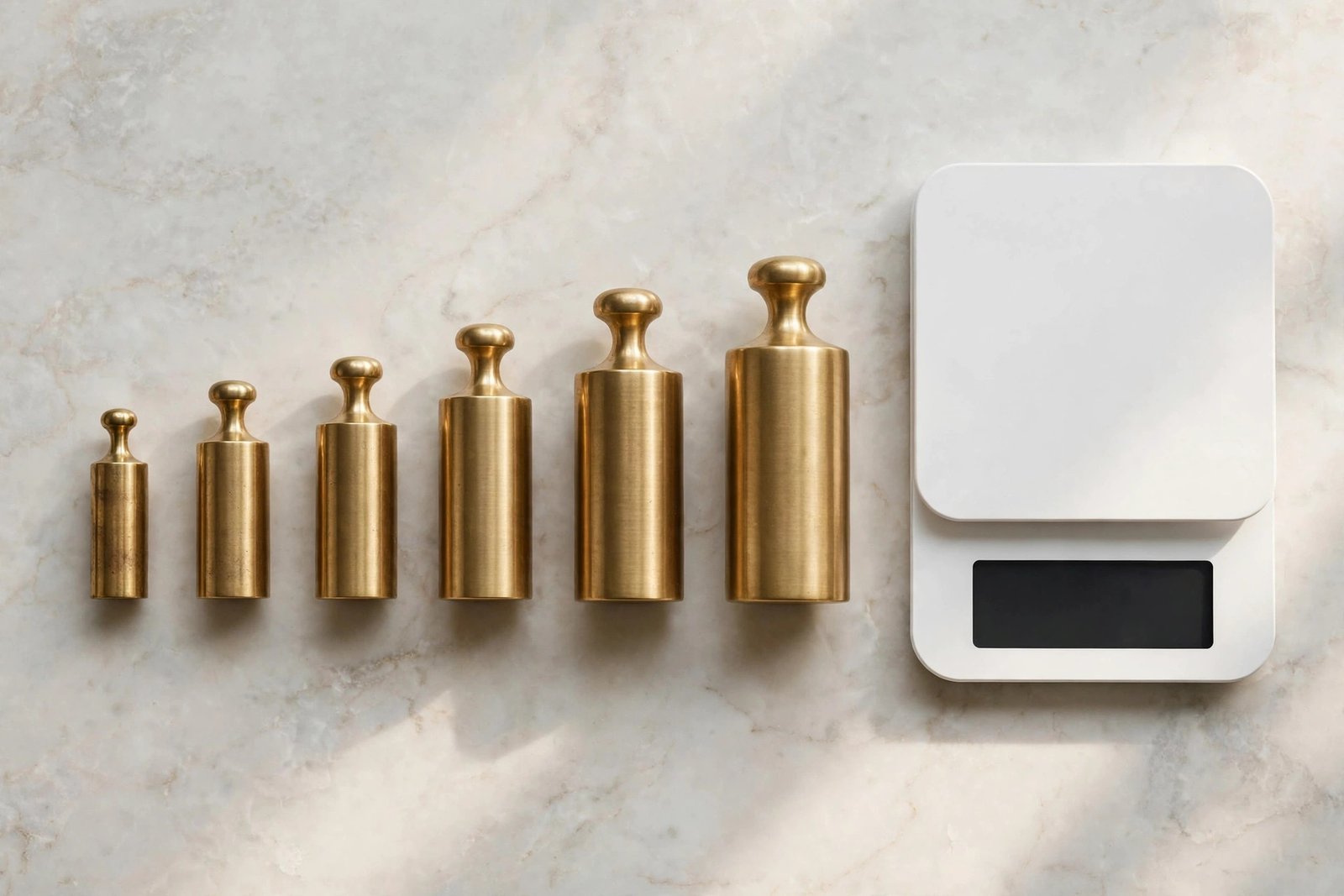
For quick lookups — when you’re reading a scale, doubling a recipe, or comparing package sizes — this chart covers the conversions most people need:
| Pounds (lb) | Ounces (oz) | Grams (g) | Kilograms (kg) |
|---|---|---|---|
| 1 | 16 | 453.59 | 0.4536 |
| 2 | 32 | 907.18 | 0.9072 |
| 3 | 48 | 1,360.78 | 1.3608 |
| 5 | 80 | 2,267.96 | 2.268 |
| 10 | 160 | 4,535.92 | 4.5359 |
Going the other direction is just as easy: 1 ounce = 0.0625 pounds, or about 28.35 grams. So a 6-ounce chicken breast weighs 0.375 pounds — a handy figure if you’re portioning protein for the week.
Dry Ounces vs Fluid Ounces: the Confusion That Ruins Recipes
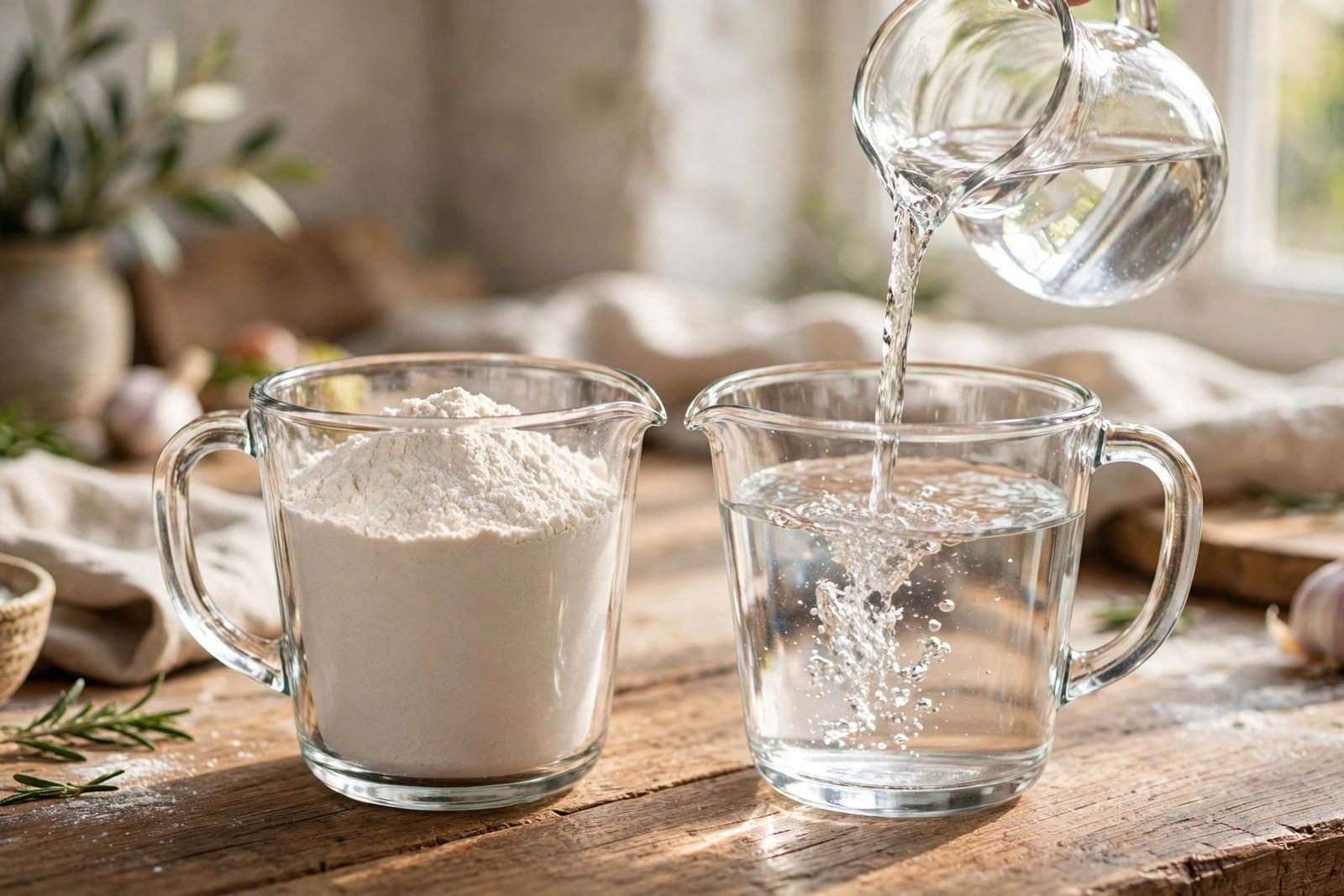
Here’s the catch most conversion charts skip: ounces measure weight, but fluid ounces measure volume. They only match for water-like liquids.
- Ounces (oz) = how heavy something is
- Fluid ounces (fl oz) = how much space it takes up
A cup of water weighs about 8.3 ounces — close enough that people assume the units are interchangeable. But a cup of flour weighs only about 4.4 ounces. Swap them in a baking recipe and you’ll end up with either a brick or a puddle. This is why experienced bakers weigh ingredients instead of scooping them, especially when baking with corn starch or other fine powders where a packed cup can vary wildly.
Troy Ounces: the 12-Ounce Exception
There’s exactly one common setting where a pound isn’t 16 ounces: precious metals. Gold, silver, and platinum are weighed in troy ounces, and one troy pound holds 12 troy ounces. A troy ounce is also heavier than a regular ounce — about 31.1 grams versus 28.35 grams.
Unless you’re buying bullion or jewelry, this never comes up. For food, people, parcels, and everything on a normal kitchen scale, 16 ounces per pound is the only number you need.
How Many Ounces in a Pound Is Useful in Everyday Life
This conversion earns its keep in three places:
Cooking. Menu math becomes instant: a 12-ounce steak is three-quarters of a pound, and a 4-ounce piece of salmon is a quarter pound. Scaling recipes is easier too — doubling a dish that calls for half a pound of pasta means 16 ounces. (More on cooking steak to the right size in our cowboy steak guide.)
Shipping. Postal and courier scales bill in pounds and ounces, and small-package rates often change at ounce thresholds. Knowing that 2 pounds is 32 ounces helps you read a shipping quote and avoid overpaying on a label.
Fitness and nutrition. Meal plans list protein in ounces while produce comes in pounds. Converting between them lets you buy exactly what your plan calls for — no guesswork at the butcher counter.
And if you cook across measurement systems, pair this with our Fahrenheit to Celsius conversion guide so temperatures never slow you down either.
Frequently Asked Questions
How many ounces are in half a pound?
8 ounces. Half of 16 is 8 — one of the most common conversions in cooking and portioning.
How many ounces is 2 pounds?
32 ounces. Just multiply the pounds by 16: 2 × 16 = 32.
Is 16 oz the same as 1 lb?
Yes — for everyday avoirdupois weights, 16 ounces and 1 pound are exactly the same thing. The only exception is troy weight (precious metals), where a pound is 12 troy ounces.
How many fluid ounces are in a pound?
That’s a trick question: fluid ounces measure volume, not weight, so it depends on density. One pound of water is about 15.3 fluid ounces, but a pound of flour takes up far more space than that.
The Bottom Line
Sixteen ounces, every pound, every time — that’s the whole answer for everyday use. Multiply pounds by 16 to get ounces, divide ounces by 16 to get pounds, weigh your ingredients instead of scooping them, and don’t let fluid ounces fool you. A handful of numbers, but they show up in almost every kitchen, shipment, and grocery run.