
Shuttering and Shuttering: The Complete Guide to Construction Formwork
Construction looks magical when you see a building rise from the ground. But behind every strong wall, column, or slab is a hidden process that makes the structure possible. One of the most important parts of this process is shuttering.
If you’ve ever wondered how wet concrete turns into perfect walls and smooth ceilings, this guide will walk you through everything you need to know. Whether you’re a beginner, homeowner, student, or aspiring builder, this article explains shuttering in simple and clear language.
What Is Shuttering?
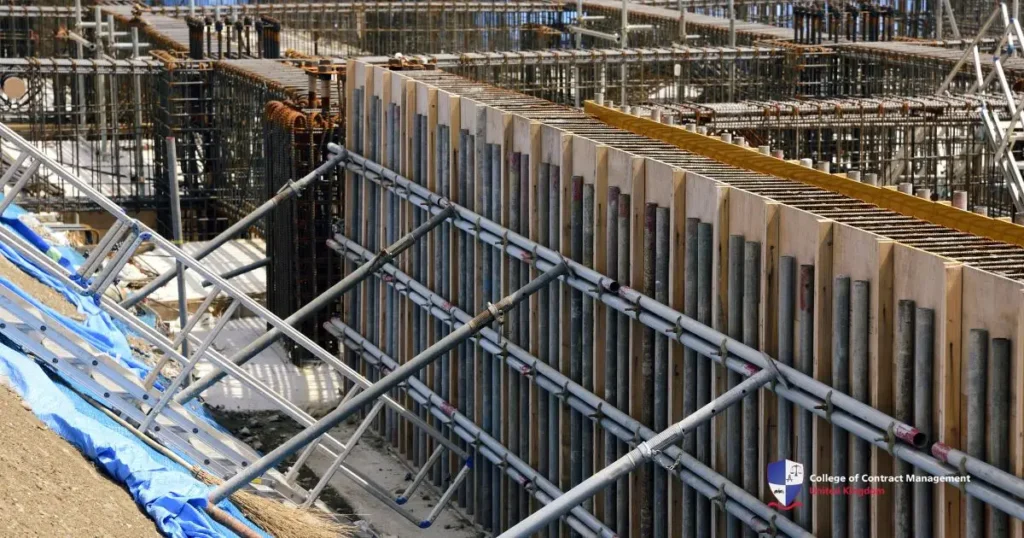
Shuttering is a temporary mold used to hold wet concrete in place until it becomes strong and solid.
Think of it like a cake mold.
You pour the batter inside, wait for it to bake, and then remove the mold. The cake keeps its shape. Concrete works the same way.
Shuttering is also called formwork in construction.
Without shuttering, concrete would spread everywhere and lose its shape.
Why Shuttering Is So Important
Shuttering may look simple, but it plays a huge role in building safety and quality.
It helps in:
- Giving concrete the right shape
- Holding concrete until it hardens
- Supporting heavy loads during construction
- Creating smooth and neat finishes
- Preventing cracks and structural failure
Bad shuttering can lead to weak buildings. Good shuttering creates strong and long-lasting structures.
Where Is Shuttering Used?
Shuttering is used almost everywhere in construction.
Common uses include:
- Columns
- Beams
- Slabs
- Foundations
- Staircases
- Retaining walls
- Bridges and flyovers
- Water tanks
If a structure uses concrete, it needs shuttering.
Types of Shuttering Materials
Different projects use different shuttering materials. Each has its own benefits and cost.
1. Timber Shuttering
This is the oldest and most common type.
Made from: Wood and plywood
Pros:
- Easy to cut and shape
- Cheap and widely available
- Good for small projects
Cons:
- Short lifespan
- Can absorb water and bend
- Needs skilled labor
Timber shuttering is perfect for small houses and simple work.
2. Steel Shuttering
Steel shuttering is strong and reusable.
Pros:
- Very durable
- Gives smooth concrete finish
- Can be reused many times
- Fire resistant
Cons:
- Expensive at first
- Heavy to handle
Used in big projects like apartments and commercial buildings.
3. Aluminum Shuttering
Lightweight and modern.
Pros:
- Easy to handle
- Faster construction
- Long lifespan
- Perfect for mass housing
Cons:
- High initial cost
- Needs expert setup
Many modern housing projects use aluminum shuttering systems.
4. Plastic Shuttering
New and eco-friendly.
Pros:
- Lightweight
- Water resistant
- Reusable many times
- Easy to clean
Cons:
- Limited load capacity
- Not ideal for very heavy structures
Good for repetitive structures like low-cost housing.
Main Components of Shuttering
Shuttering is not just boards and panels. It has many parts working together.
Key components include:
- Sheathing: Surface that touches concrete
- Joists: Horizontal supports
- Bearers: Strong beams that carry load
- Props: Vertical supports
- Bracing: Keeps structure stable
Each part must be strong and properly installed.
Types of Shuttering Based on Structure
Different building parts need different shuttering designs.
Column Shuttering
Used to create vertical pillars.
Features:
- Tight and strong to resist pressure
- Carefully aligned for straight columns
Columns carry heavy loads, so this shuttering must be perfect.
Beam Shuttering
Used for horizontal beams that connect columns.
Features:
- Needs bottom support and side panels
- Must carry heavy concrete weight
Slab Shuttering
Used for floors and ceilings.
This is one of the biggest shuttering tasks.
Includes:
- Large flat panels
- Many props underneath
- Accurate leveling
Foundation Shuttering
Used below ground level.
Must be:
- Strong
- Water resistant
- Stable on soil
Staircase Shuttering
Most complex type.
Why?
Because stairs have angles and steps.
Requires skilled workers for accuracy.
Step-by-Step Shuttering Process
Let’s understand how shuttering is done in real life.
Step 1: Planning and Design
Engineers decide:
- Shape and size of structure
- Load calculations
- Material selection
Good planning prevents mistakes later.
Step 2: Material Preparation
Workers gather:
- Panels
- Nails and clamps
- Supports and props
Everything must be clean and ready.
Step 3: Assembly of Formwork
Shuttering is assembled carefully on site.
Key points:
- Proper alignment
- Tight joints
- Strong supports
Even small gaps can cause concrete leakage.
Step 4: Applying Release Agent
Oil or chemical is applied inside shuttering.
Why?
So concrete does not stick and panels can be removed easily.
Step 5: Pouring Concrete
Concrete is poured slowly and evenly.
Workers check:
- Leakage
- Bulging
- Movement
Step 6: Curing and Waiting
Concrete needs time to gain strength.
Typical waiting times:
- Columns: 1–2 days
- Slabs: 7–14 days
- Beams: 14–21 days
Step 7: Removing Shuttering (De-shuttering)
After concrete becomes strong, shuttering is removed carefully.
Removing too early can damage the structure.
Safety Tips in Shuttering Work
Construction safety is critical.
Always follow these rules:
- Check supports before pouring concrete
- Use strong and undamaged materials
- Ensure proper bracing
- Avoid overloading formwork
- Inspect regularly during pouring
Many construction accidents happen due to poor shuttering.
Common Shuttering Mistakes to Avoid
Even small mistakes can cause big problems.
Watch out for:
- Weak supports
- Improper alignment
- Gaps between panels
- Early removal of shuttering
- Poor quality materials
Avoiding these mistakes saves time and money.
Cost of Shuttering in Construction
Shuttering can make up 30–40% of concrete cost.
Cost depends on:
- Material type
- Labor charges
- Project size
- Reusability
Rough idea:
TypeCost Level
Timber Low
Steel Medium
Aluminum High (but reusable)
Plastic Medium
Smart builders focus on reuse to save money.
Modern Innovations in Shuttering
Construction is changing fast.
New trends include:
- Modular formwork systems
- Climbing formwork for tall buildings
- Tunnel formwork for fast housing
- Eco-friendly reusable materials
These innovations help complete projects faster and safer.
Benefits of Good Shuttering
When shuttering is done right, you get:
- Smooth concrete finish
- Faster construction
- Less repair work
- Stronger structure
- Lower long-term cost
Good shuttering is an investment, not an expense.
Shuttering vs Formwork: Are They Different?
Many people ask this question.
Simple answer:
- Formwork: The complete system
- Shuttering: The vertical formwork (walls, columns)
In daily construction talk, both words are often used the same way.
Tips for Homeowners Building a House
If you are building your dream home, pay attention to shuttering.
Ask your contractor:
- Which material will be used?
- How many times will panels be reused?
- How long will curing take?
- Who checks safety and alignment?
A little awareness can prevent major problems later.
The Future of Shuttering
The future looks exciting.
We are moving toward:
- Faster construction
- Less waste
- More reusable materials
- Better safety systems
Technology is making shuttering smarter and more efficient every year.
Final Thoughts
Shuttering may be hidden behind concrete, but it is one of the most important parts of construction. It shapes the building, supports the structure, and ensures long-term strength.
Whether you’re planning a home, studying civil engineering, or simply curious about how buildings stand tall, understanding shuttering gives you a new appreciation for the science behind construction.
Next time you see a building under construction, look closely at the wooden or steel frames around it. That temporary structure is silently doing one of the biggest jobs in the entire project.
If you found this guide helpful, share it with someone planning a construction project or learning about building. Knowledge builds stronger homes and smarter decisions.
You may also read itbigbash.