
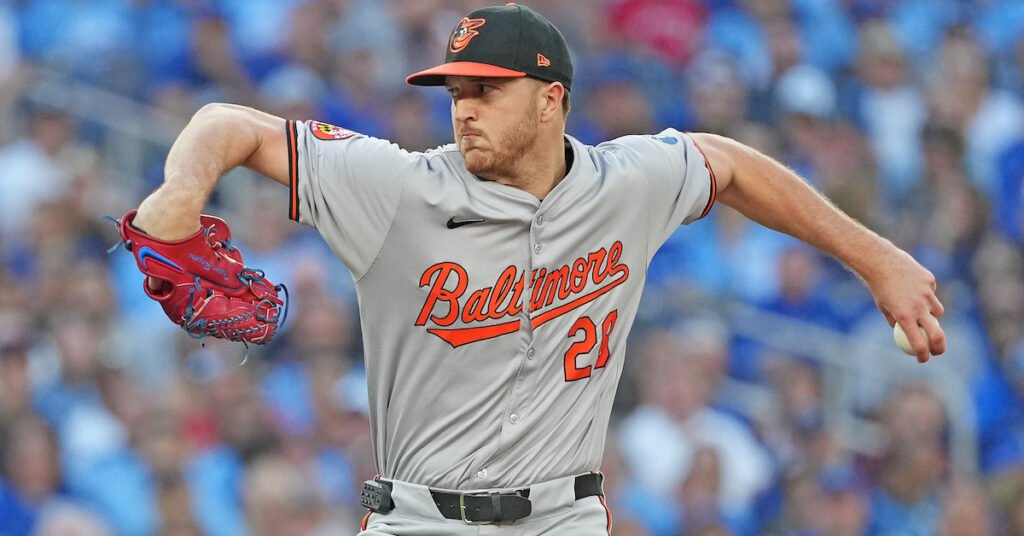
Trevor Rogers: Baseball’s Quiet Strikeout Artist
Introduction
Every baseball fan loves a loud star — the home run hitter, the fiery closer, the headline magnet. But every season, a few players rise in a quieter way, building respect pitch by pitch. That’s exactly the story of Trevor Rogers.
If you’ve followed Major League Baseball in recent years, you’ve probably heard his name pop up during discussions about breakout pitchers and rising talent. Rogers isn’t flashy, but his path through the league reveals something far more interesting: patience, resilience, and a deep understanding of the craft of pitching.
In this feature, we’ll explore how Rogers developed into one of baseball’s most intriguing left-handed pitchers, what makes his style unique, how he handled early struggles, and why many believe his best seasons are still ahead. Whether you’re a longtime baseball fan or just curious about the sport’s new generation, this is the story behind the pitcher quietly shaping his own legacy.
From Small-Town Roots to the Major Leagues
Trevor Rogers’ journey began far from packed stadiums and national broadcasts. Born in New Mexico, he grew up in a sports-loving environment where baseball quickly became the focus of his athletic life.
The High School Years
Rogers attended Carlsbad High School, where his height and natural left-handed throwing ability immediately set him apart. Scouts noticed early:
- Tall frame with long stride toward the plate
- Smooth delivery that hid the ball well
- Calm presence uncommon for teenage pitchers
By his senior year, he had become one of the most promising high school pitchers in the country.
Draft Day Dreams
In 2017, his professional journey officially began when the Miami Marlins selected him in the first round of the MLB Draft. For a young pitcher, a first-round selection carries both excitement and pressure. Expectations arrive instantly.
And like many young pitchers, Rogers soon learned that talent alone isn’t enough to succeed at the highest level.
Learning the Hard Way in the Minors
The path from draft pick to Major League pitcher is rarely smooth. Rogers’ early years in the minor leagues were full of lessons, adjustments, and patience.
Early Challenges
Young pitchers often face three major hurdles:
- Adapting to professional hitters
- Maintaining control and consistency
- Building stamina for longer seasons
Rogers experienced all three. His early minor-league stats were solid but not spectacular. More importantly, he was learning how to pitch — not just throw.
Refining the Arsenal
During this period, Rogers developed the tools that would later define his career:
Fastball
His fastball became the foundation. With a deceptive release point and natural movement, it quickly became difficult for hitters to track.
Changeup
This pitch would eventually become his signature weapon. A great changeup mirrors the fastball before dropping in speed and movement, tricking hitters into swinging early.
Slider Development
Adding a reliable breaking ball helped him attack hitters from multiple angles and avoid predictability.
By the time he was ready for the majors, Rogers had transformed from a promising prospect into a polished pitcher.
The Breakout Rookie Season
Every pitcher dreams of a breakout year. For Rogers, that moment came when he stepped fully into the Major League spotlight.
Confidence Meets Opportunity
When Rogers joined the Marlins’ rotation full-time, expectations were modest. He wasn’t expected to dominate immediately. But something clicked.
Suddenly, he was striking out experienced hitters with confidence and precision.
Why Hitters Struggled Against Him
Several factors contributed to his early success:
- Unusual release angle made pitches hard to read
- Excellent command for a young pitcher
- Calm demeanor under pressure
- Smart pitch sequencing
Fans and analysts began to take notice as his strikeout numbers climbed.
His rookie performance even earned All-Star recognition — a major milestone that signaled he belonged among the league’s rising stars. For official career stats and updates, the MLB player profile provides a reliable reference: Here
What Makes Trevor Rogers Different
Pitching success isn’t just about throwing hard. Rogers represents a newer style of pitcher focused on intelligence and efficiency.
H3: Pitch Sequencing and Strategy
Modern pitching is like chess. Rogers studies hitters carefully and adapates throughout games.
He uses patterns such as:
- Fastball high in the zone
- Changeup low and outside
- Slider to finish at-bats
This mix keeps hitters guessing.
H3: Calm Under Pressure
Some pitchers rely on emotion. Rogers relies on composure. His relaxed demeanor has become one of his defining traits.
Teammates often describe him as:
- Focused
- Analytical
- Quietly competitive
This mindset helps him recover quickly after mistakes.
H3: The Power of the Changeup
His changeup deserves special attention. Many analysts consider it one of the most effective off-speed pitches among young pitchers.
Why it works:
- Same arm speed as fastball
- Late movement
- Major speed difference
Hitters commit too early, leading to swings and misses.
Facing Injuries and Setbacks
No athlete’s career is a straight line upward. Injuries and tough seasons are part of the reality of professional sports.
The Reality of Pitching Health
Pitchers place extreme stress on their arms. Even the best face injuries at some point.
Rogers experienced setbacks that forced him to:
- Adjust mechanics
- Rebuild strength
- Refocus mentally
These periods can be frustrating, but they also shape long-term success.
Mental Resilience
What stood out during tough seasons wasn’t just recovery — it was his attitude.
He emphasized:
- Patience with progress
- Trust in coaching staff
- Long-term career mindset
Many pitchers fade after injuries. Rogers showed determination to return stronger.
The Modern Pitcher’s Role
Today’s MLB pitcher is very different from those of past generations. Rogers represents the shift toward analytics, strategy, and efficiency.
H3: Shorter Starts, Smarter Workloads
Gone are the days of pitchers throwing complete games regularly. Teams now prioritize health and long-term performance.
Rogers fits perfectly into this modern approach:
- Focus on quality innings
- High strikeout efficiency
- Strategic pitch counts
H3: Analytics and Technology
Pitchers now rely on data more than ever.
Tools used include:
- Spin-rate analysis
- Video breakdowns
- Advanced scouting reports
Rogers embraces these tools to improve game planning.
Why Fans Are Watching His Future Closely
The story of Trevor Rogers is still being written. That’s part of what makes his career so compelling.
Reasons for Optimism
Baseball analysts often point to several strengths:
- Young age and experience already gained
- Strong pitching fundamentals
- Proven ability to adapt and improve
Many believe his peak seasons may still be ahead.
Potential Career Trajectory
If he continues developing, Rogers could become:
- A consistent top rotation pitcher
- A strikeout leader in future seasons
- A long-term cornerstone for his team
In a sport built on patience and longevity, those possibilities matter.
Frequently Asked Questions
Who is Trevor Rogers?
Trevor Rogers is a professional Major League Baseball pitcher known for his left-handed delivery, strong changeup, and calm pitching style.
What team does he play for?
He began his MLB career with the Miami Marlins and became part of their starting rotation.
What is his best pitch?
His changeup is widely considered his most effective pitch due to its deceptive speed and movement.
Was Trevor Rogers an All-Star?
Yes, he earned All-Star recognition early in his career after a standout season.
Why is he considered a rising pitcher?
His strikeout ability, composure, and strong early performances have made him one of baseball’s promising young pitchers.
Conclusion
Baseball careers are built over years, not moments. While some players grab headlines instantly, others build success quietly through discipline and growth. Trevor Rogers belongs firmly in the second category.
His journey from promising prospect to respected Major League pitcher reflects patience, resilience, and a deep commitment to improvement. As he continues refining his craft, fans and analysts alike are watching closely.
Because the story of Trevor Rogers isn’t finished — it’s just getting interesting.
You may also read itbigbash.