
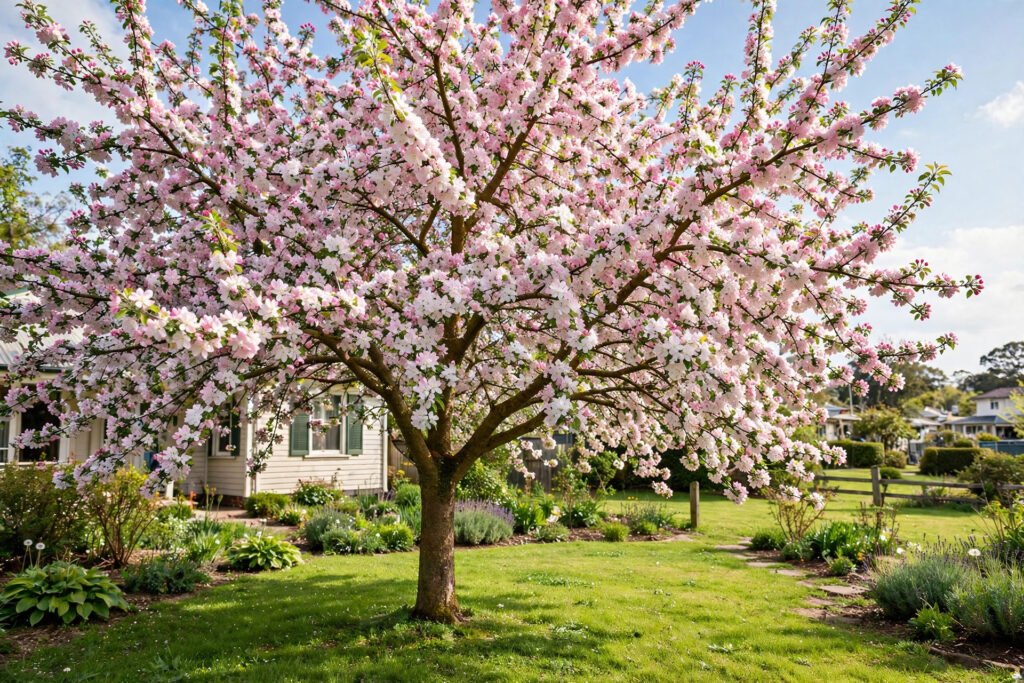
Crab Apple Tree: Planting, Care, and Tips for a Thriving Garden
A crab apple tree might be the hardest-working tree you can plant in an average garden. It gives you a spectacular show of spring blossom, feeds bees when little else is flowering, lights up autumn with jewel-bright fruit, and asks for almost nothing in return. The short answer is this: pick a disease-resistant variety, plant it in a sunny spot between autumn and early spring, water it well for the first two years, and prune it lightly right after flowering.
But the details matter – especially choosing the right crab apple tree variety for your space and avoiding the pruning mistakes that kill next year’s blossom. This guide covers all of it, from planting steps to harvest, plus answers to the questions gardeners actually ask.
Why a Crab Apple Tree Deserves a Spot in Your Garden
Crab apples (the genus Malus) are small to medium-sized deciduous trees, typically reaching 5-8 metres, though some grow taller. They earn their place with a rare combination of beauty and usefulness:
- Three-season interest: clouds of white, pink, or wine-red blossom in spring, often followed by colourful foliage, then crops of yellow, orange, red, or near-black fruit that persist into winter.
- Early food for pollinators: crab apple blossom opens early and is rich in nectar and pollen, making it one of the most valuable trees for bees and other beneficial insects.
- It pollinates your other apples: most flowering crab apples produce abundant viable pollen and are excellent pollinators for dessert apple trees, as long as the flowering periods overlap.
- Winter interest and wildlife: persistent fruit feeds birds like blackbirds and thrushes through the lean months, and the bare winter branch structure looks handsome against the sky.
- Fits most gardens: dwarf and naturally compact varieties suit small gardens and even large containers, while underplanting with spring bulbs or fragrant climbers – our sweet pea flower care guide is a good companion read – layers extra interest around it.
Choosing the Right Crab Apple Tree Variety
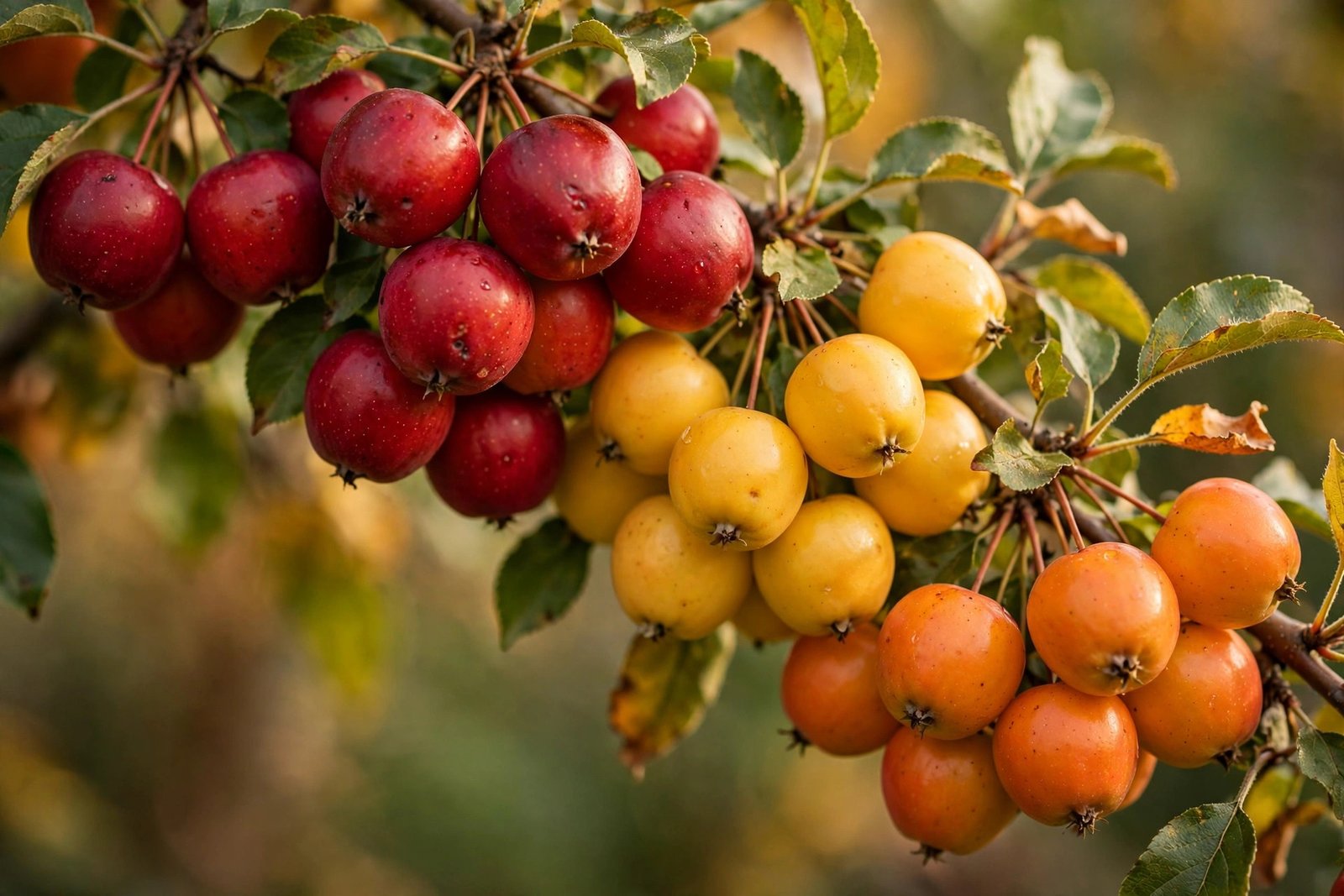
This is the single most important decision for your crab apple tree. Older varieties can suffer badly from apple scab and powdery mildew, which ruin the display. Modern disease-resistant cultivars sidestep most problems, so start there. Also decide what you want from the tree: pure ornament, edible fruit for jelly, or both.
| Variety | Flowers | Fruit | Mature size | Best for |
|---|---|---|---|---|
| ‘John Downie’ | White | Large orange-red, excellent for jelly | Up to 8 m | Jelly-making and ornamental display |
| ‘Golden Hornet’ | White, pink in bud | Large golden-yellow, good for jelly | 6-7 m | Wildlife gardens and winter colour |
| ‘Red Sentinel’ | White | Deep red, long-lasting | 5-6 m, upright | Small gardens and winter fruit |
| ‘Prairifire’ | Deep pink-red | Persistent red | 6 m | Disease resistance and dramatic blossom |
| Sugar Tyme (‘Sutyzam’) | White from pink buds | Bright red | 4-5 m | Small gardens and easy care |
| ‘Scarlet Sentinel’ | Pink | Red | Narrow, upright | Tight spaces and patio planting |
Check the nursery label for mature size before buying, and consider a dwarfing rootstock if space is tight. Love the Garden’s complete crab apple guide has further variety recommendations worth comparing before you buy.
How to Plant a Crab Apple Tree
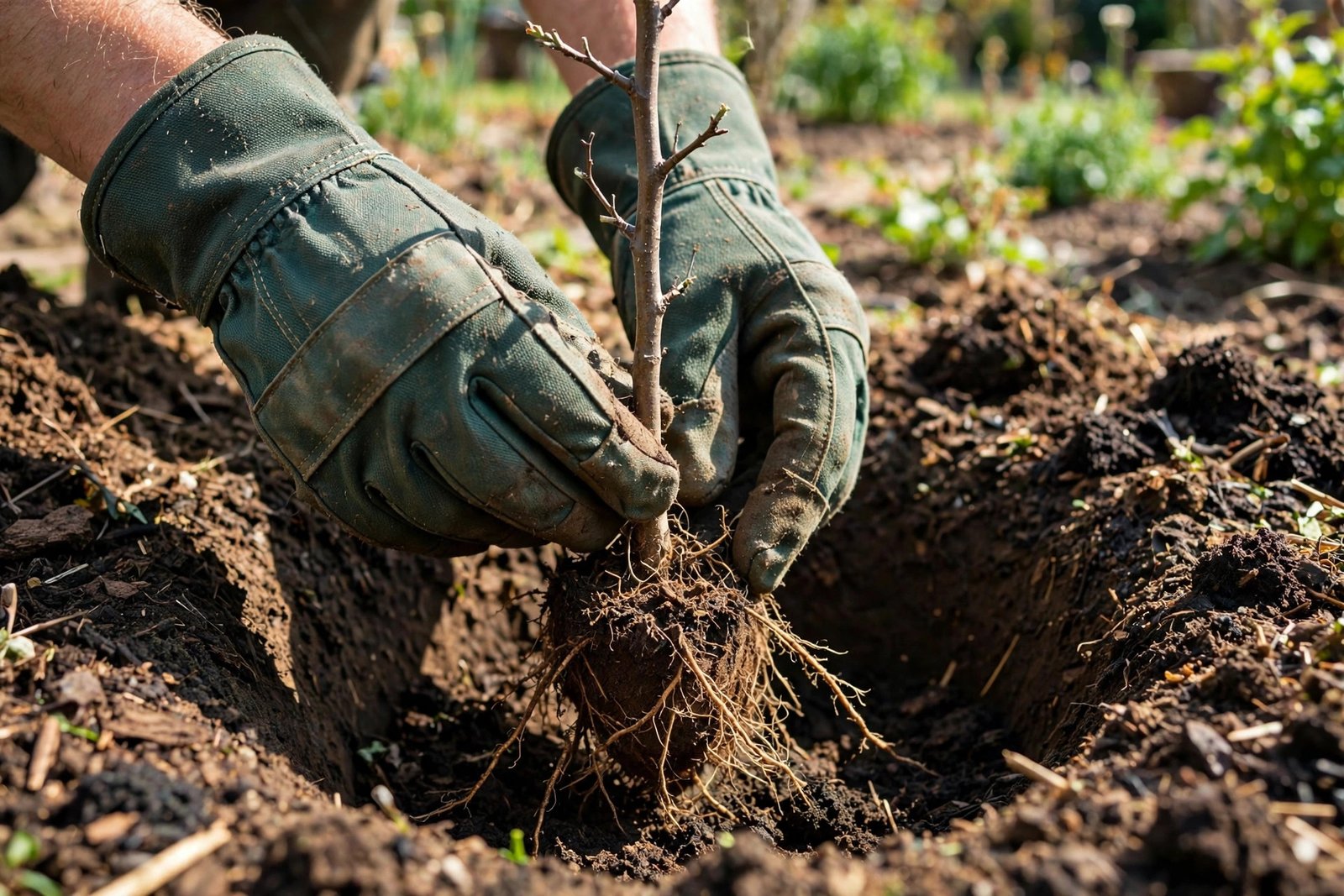
Planting is simple, but doing it properly decides how the tree performs for its first five years. Plant bare-root trees from late autumn to early spring, while the tree is dormant and the ground is workable. Container-grown trees can go in at almost any time the ground isn’t frozen or waterlogged.
- Pick the site: full sun (at least six hours a day) with good air circulation. Crab apples tolerate most soils – chalky, clay, loamy, sandy – as long as drainage is decent. Never plant where water stands after rain.
- Dig the hole: make it at least twice as wide as the root spread but no deeper than the root ball. Rough up the sides with a fork so roots can push through.
- Prepare the soil: mix well-rotted compost or manure into the excavated topsoil. A handful of bone meal in the hole gives new roots a boost.
- Position the tree: spread the roots out naturally and set the tree so the old soil mark on the stem sits level with the surrounding ground. Planting too deep is the most common planting mistake.
- Backfill and firm: refill with the improved soil, firming gently as you go to remove air pockets.
- Stake and water: drive in a sturdy stake at an angle before backfilling if the site is windy, tie loosely, water deeply, then apply a 5-8 cm mulch of bark or compost – kept a few centimetres clear of the trunk.
Keep a grass-free circle around the base for the first couple of years so the young tree isn’t competing for water. A tree in a lawn does best with a turf-free ring of at least 60 cm diameter.
Watering, Feeding, and Mulching
Established crab apples are tough, but young trees are not. A few basics keep them thriving:
- Water deeply, not often: during the first two summers, water well if there’s no rain – a deep weekly soaking beats daily sprinkles. Once established, they cope with normal dry spells.
- Feed lightly: crab apples are not heavy feeders. A dressing of compost or a general granular feed in early spring is plenty. Avoid heavy nitrogen, which pushes soft leafy growth at the expense of flowers.
- Mulch every autumn: a 5-8 cm layer of organic mulch conserves moisture, suppresses weeds, and feeds the soil. Never pile mulch against the trunk (the dreaded “mulch volcano”), which invites rot.
- Check the stake: loosen or remove tree ties after the first year or two before they cut into the growing bark.
Pruning a Crab Apple Tree the Right Way
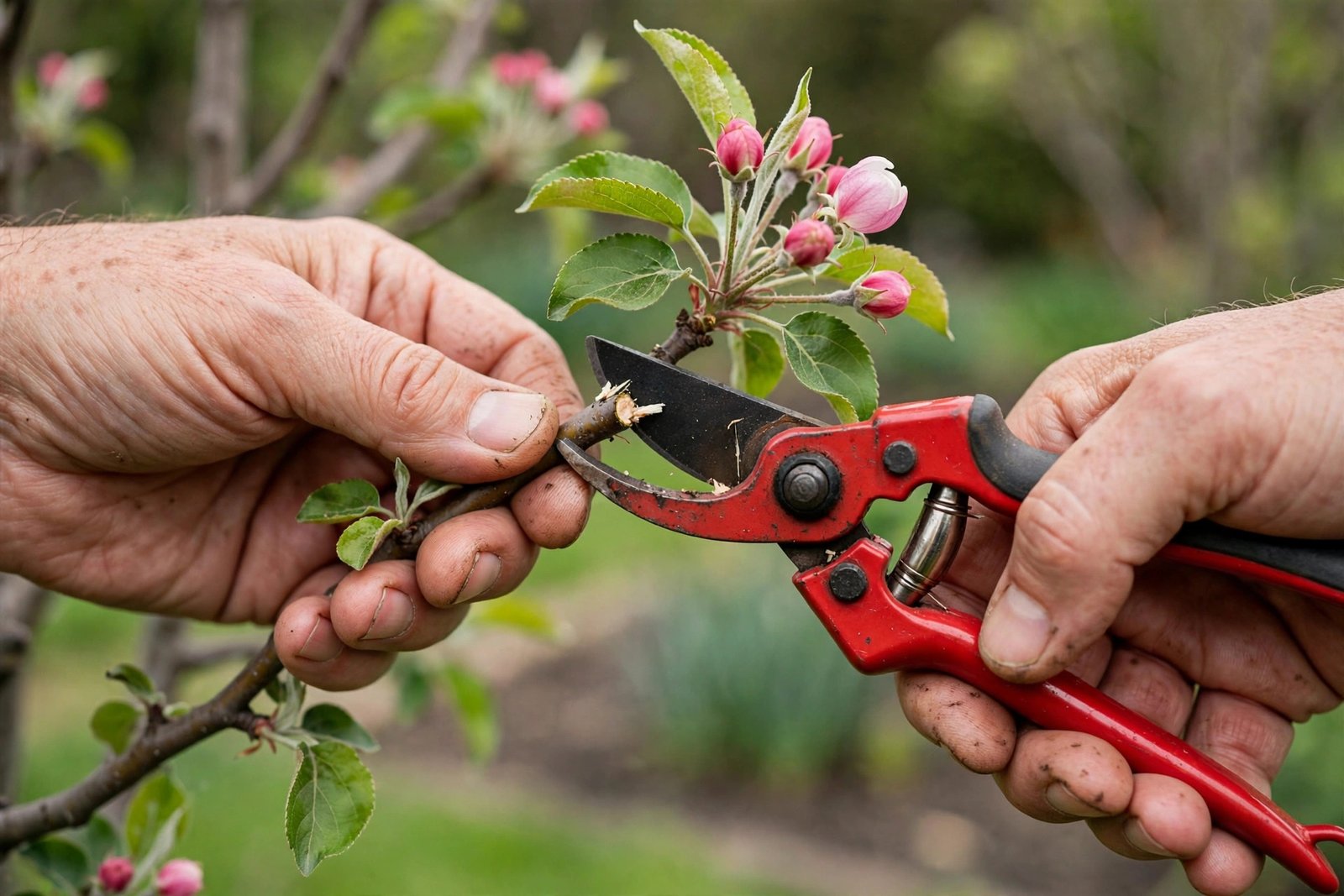
Crab apples need far less pruning than most fruit trees – their natural shape is one of their best features. Keep it simple:
- Time it right: the best moment is immediately after flowering finishes. Prune then and you remove little more than spent blossom; leave it until winter and you’ll cut off next spring’s flower buds.
- Remove the three Ds: dead, damaged, and diseased wood, plus crossing branches that rub and any suckers shooting from below the graft.
- Never go hard: avoid heavy routine pruning. If a major limb must come out, make the cut correctly at the branch collar so it heals fast.
A young crab apple tree sometimes needs light shaping to establish a strong framework, but after that, annual inspection plus minor tidying is all most crab apples ever need. Homes & Gardens’ expert care guide backs this minimal approach with practical timing advice.
Common Pests and Diseases to Watch For
Your crab apple tree will generally be robust, especially if you chose a modern resistant variety. Still, know the main culprits:
- Apple scab: black or brown blotches on leaves and fruit, often followed by yellowing and early leaf drop. Prevention beats cure – choose resistant varieties and clear fallen leaves.
- Powdery mildew: a white, dusty coating on foliage that turns brown and crisp. Improve air circulation by spacing trees well and thinning crowded branches.
- Canker: sunken patches of dead bark that can girdle branches. Cut out affected wood well below the damage and burn or bin it.
- Aphids: the only common pest. Spraying a whole tree is impractical and kills beneficial insects – a better fix is welcoming birds and ladybirds, which clear aphids naturally.
Harvesting and Using Crab Apples
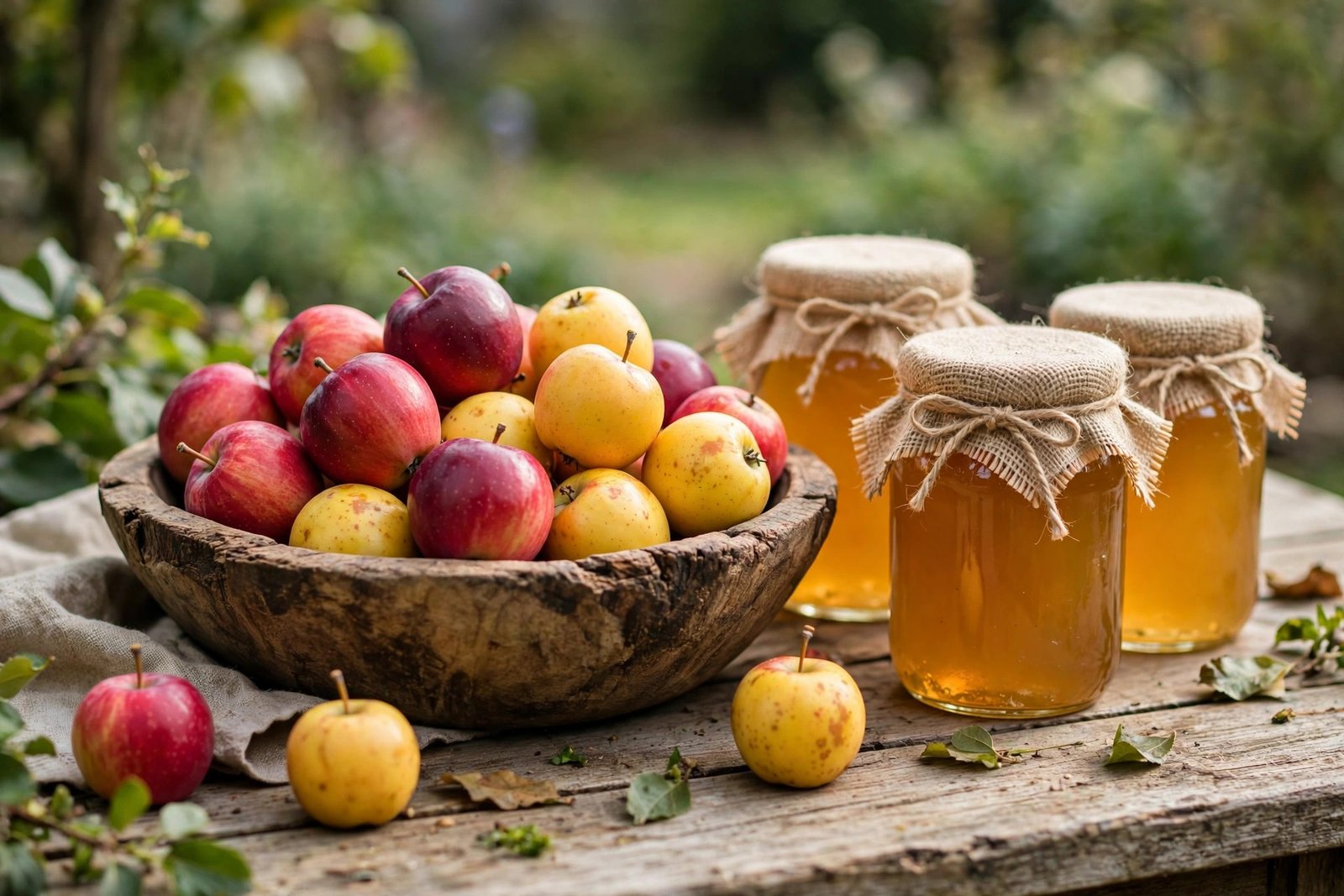
Nearly all fruit from a crab apple tree is edible, though flavour varies enormously. Tasters range from pleasantly tart to mouth-puckeringly astringent – so taste before you commit to a recipe. Larger-fruited varieties like ‘John Downie’ and ‘Golden Hornet’ are the classic choices for the kitchen.
- Jelly and preserves: crab apples are naturally high in pectin, so they set beautifully without additives. Crab apple jelly with roast pork or cheese is the classic pairing.
- Juice and cider blending: their sharpness lifts sweeter apple juice and adds character to cider blends.
- Cut stems: flowering branches make superb spring vase arrangements – cut when about a quarter of the blossom is open and strip the lower foliage.
- Leave some for wildlife: fruit left on the tree feeds birds deep into winter, when other food is gone.
Pick fruit when fully coloured and just starting to soften, from late summer into autumn. Bruised or bird-damaged fruit that drops can go straight on the compost – our zero-waste lifestyle guide has practical tips on closing that loop – and a heavy autumn fruit drop is normal, so don’t plant directly over paths or parking spots where fruit could get slippery.
Frequently Asked Questions
Are crab apples edible?
Yes – nearly all crab apple fruit is edible, though flavour varies a lot between varieties. Some are pleasantly tart and excellent for jelly, preserves, and cider blending; others are quite astringent. Taste a piece raw before using a batch in the kitchen.
How big will a crab apple tree grow?
Most mature at about 5-8 metres tall and wide, though this varies widely by cultivar. Compact varieties like Sugar Tyme stay around 4-5 metres, while vigorous ones like Malus hupehensis can reach 12 metres. Nurseries that graft onto dwarfing rootstocks can keep trees even smaller, so check the label before buying.
Why are my crab apple tree’s leaves turning yellow?
The three common causes are drought stress in newly planted trees, normal autumn colour in varieties like ‘Donald Wyman’ and ‘Red Sentinel’, and apple scab – which shows as black or brown blotches before the leaves yellow and drop. If it’s a new tree with no rain in sight, water deeply once a week and add mulch.
Will a crab apple tree pollinate my apple tree?
Usually, yes. Most flowering crab apples produce abundant viable pollen and are regarded as excellent pollinators for dessert apples. The one condition is that their flowering periods must overlap – commercial orchards deliberately plant selected crab apple pollinisers for exactly this reason.
When is the best time to plant a crab apple tree?
Late autumn to early spring for bare-root trees, while they’re dormant – ideally from November to March when the soil is workable. Container-grown trees are more forgiving and can be planted at any time the ground isn’t frozen or waterlogged, though autumn planting still gives the best start.
A crab apple tree is one of those rare garden investments that pays you back in every season – and a well-chosen crab apple tree will outlive most of the other plants in your garden. Choose a disease-resistant variety that fits your space, plant it well in a sunny spot, and it will reward you with decades of blossom, fruit, and wildlife – all for a little water, a little mulch, and a light prune each year.